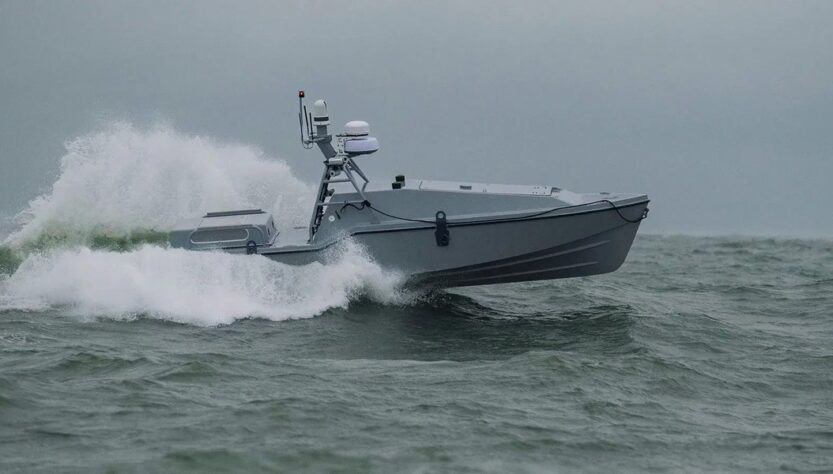
On or around June 8-9, 2026 (local time), a U.S. Army AH-64 Apache attack helicopter went down near the Strait of Hormuz off the coast of Oman during a patrol.
The two crew members (pilot and gunner) were safely rescued within about two hours. This incident occurred amid heightened U.S.-Iran tensions in the region, including Iran’s effective closure of parts of the Strait of Hormuz to commercial traffic.
The Incident
- Cause: U.S. officials indicated the Apache was struck by an Iranian drone (reported as a Shahed-type or similar armed UAV). Reports describe it as a collision or strike by an explosive drone. Some accounts note the drone “crashed into” the helicopter, with the explosive aspect not causing a full catastrophic detonation on impact (aligning with the “didn’t explode” detail in your query—likely a collision or partial failure rather than a direct missile hit). The exact circumstances (intentional attack vs. accidental collision) remain under investigation.
- The helicopter went down in the water around 3:30 a.m. local time. Both crew members ejected or exited and were in the water.
The Rescue
- Historic first: The crew was rescued by an uncrewed surface vessel (USV)—a U.S. Navy “Corsair” sea drone operated by Task Force 59 (part of the Fifth Fleet, focused on maritime drones in the region). This marked the first known use of an unmanned surface drone for a water rescue by the U.S. military.
- The drone located the aviators after they spent roughly two hours in the water. It picked them up and transported them to a location where they could be hoisted aboard a helicopter for further evacuation.
- Supporting assets included U.S. Navy, Air Force, and Army (including 82nd Airborne) personnel and helicopters. Both crew members were uninjured and in stable condition.
Aftermath
President Donald Trump publicly blamed Iran for downing the helicopter and ordered retaliatory U.S. strikes on Iranian targets. Iran responded with its own attacks on U.S. and allied facilities in the region, escalating tensions further.
This event highlights the growing role of drones (both aerial and maritime) in modern naval and rescue operations in contested areas like the Strait of Hormuz, a critical chokepoint for global oil shipping. Details may evolve as the investigation continues.
A Texas-built drone boat just made history, executing the first sea drone rescue in combat.
— Greg Abbott (@GregAbbott_TX) June 9, 2026
This is what happens when you let businesses innovate and give them freedom to build.
Texas companies are leading the world and strengthening our nation. Texans take care of America.…